
How AV Integrators Can Expand Beyond Meeting Rooms with Occupancy Sensors
AV integrators have traditionally focused their expertise on meeting rooms and training spaces — deploying conference systems, displays, and booking solutions from industry leaders like Crestron, Cisco, Poly, and Neat. These premium spaces are critical. But the rest of the office represents an untapped opportunity that most integrators are leaving on the table.
With hybrid work models transforming every corner of the office into a technology-enabled space, the demand for intelligent workspace solutions extends far beyond the meeting room doors. This is where occupancy sensing creates a natural expansion path for AV integrators.
New to occupancy sensing? Start with our complete guide to occupancy sensors before diving into the AV integration opportunity.

The Opportunity Beyond Meeting Rooms
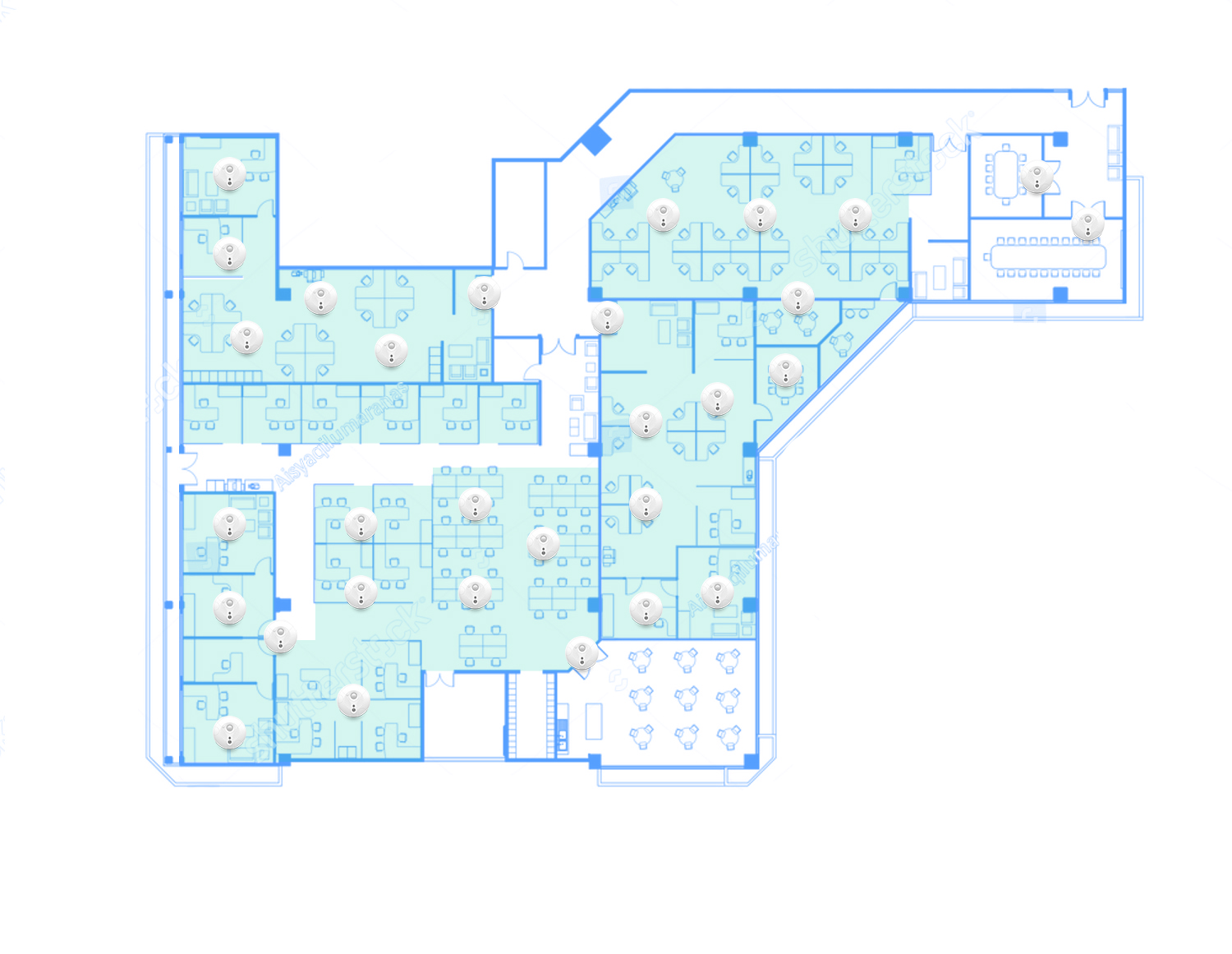
Modern offices encompass open desk areas, dedicated collaboration zones, huddle spaces, phone booths, cafeterias, and social areas. All of these spaces benefit from the same data-driven intelligence that meeting rooms receive — real-time occupancy, utilization analytics, and integration with digital signage and booking systems.
Yet most organizations have no technology monitoring these areas. The AV integrator who already has relationships with Tier 1 enterprise accounts, understands their IT infrastructure, and manages their meeting room technology is uniquely positioned to extend into full-office smart office integration.
The opportunity extends to open desk areas too, where desk occupancy sensors provide the same real-time utilization data that AV teams already deploy in conference rooms.
Why This Is a Natural Fit for AV Integrators
- New revenue streams: Extend service offerings beyond traditional AV into workspace intelligence. Each occupancy sensor project adds hardware, installation, configuration, and ongoing support revenue.
- Enhanced service offerings: Evolve from AV installer to comprehensive workspace solution provider. Offer clients strategic insights into space utilization and employee engagement alongside traditional AV technology.
- Capturing the smart office opportunity: AV integrators have a head start in installing and integrating advanced technology into hybrid workplaces. The workplace intelligence domain remains underserved by specialized players and is in high demand among enterprise accounts.
- Deeper client relationships: Moving from meeting-room-only to full-office coverage increases account stickiness and contract value, while positioning the integrator as a strategic partner rather than a hardware vendor.
For integrators evaluating which hardware to add to their portfolio, our breakdown of occupancy sensor technologies — covering PIR, thermal, radar, and optical AI — provides the technical foundation for client conversations.
What the Integration Looks Like
PointGrab’s CogniPoint occupancy sensors integrate naturally with the booking systems and digital signage platforms that AV integrators already deploy. When sensors feed real-time occupancy data into these systems, the result is a step change in functionality:
- Digital signage displays dynamically show real-time availability, upcoming bookings, and customized content based on the audience in the space — not just static schedules.
- Booking systems gain real-time validation: auto-release no-show reservations, display actual (not planned) availability, and guide employees to open spaces.
- Wayfinding solutions direct employees to available desks in quiet or busy zones based on live sensor data, not outdated floor maps.
For the technical architecture behind enterprise-grade deployments — including data protocols, API layers, and BMS integration patterns — our sensing infrastructure guide covers what integrators need to know before scoping a project.
What It Takes to Get Started
PointGrab supports AV integrators entering this domain with a structured partner program:
- Sensors: PoE-connected on the ceiling or DC-powered with Wi-Fi. Over 500 installations to date across nearly 40 Fortune 500 companies.
- Training: Free training sessions and a certification program for installer partners.
- Installation tools: A mobile app that ensures error-free installation with on-site device verification.
- Timeline: Typical projects are operational within 30–60 days from order placement.
The CogniPoint 2 Flex (GA planned Q3/2026) will further simplify deployment with battery-powered, Thread mesh sensors requiring zero cabling — making large-scale office-wide installations faster and less disruptive.
The Bottom Line
The hybrid office needs more than great meeting rooms. It needs an intelligent layer across every space — and AV integrators are the natural delivery partners for that transformation. By adding occupancy sensing to their portfolio, integrators don’t just sell more hardware. They become the trusted partner for the entire workspace technology stack.
Ready to learn more? Contact PointGrab for a consultation.
For guidance on optimising the meeting spaces AV systems serve, see our guides on huddle room design and eliminating ghost bookings.
Related Articles
- The Complete Guide to Occupancy Sensors for Offices
- Wired vs. Wireless Occupancy Sensors: Deployment Guide
- Occupancy Sensor Technologies Compared: PIR vs Thermal vs Optical vs AI
- The Complete Guide to Workplace Sensing Infrastructure
- Wi-Fi Tracking vs Dedicated Sensors: What Workplace Teams Need to Know
- Meeting Room Abuse: How the WASH Index Exposes Hidden Space Waste
- How to Design the Best Huddle Room for Your Hybrid Workplace
- Ghost Bookings: Data-Driven Solutions for Meeting Room No-Shows
Frequently Asked Questions
Why should AV integrators offer occupancy sensing?
Occupancy sensors enhance AV services by enabling automated room setup, presence-based meeting room features, and data-driven insights that improve client value.
How do occupancy sensors integrate with AV systems?
Sensors can trigger automatic displays, lighting, and HVAC when a room is occupied, and integrate with booking systems for seamless room management.
What new revenue opportunities do occupancy sensors create?
AV integrators can offer consulting, installation, data analysis services, and ongoing support around occupancy-based insights and space optimization.
How can AV integrators differentiate with occupancy data?
By combining AV expertise with occupancy analytics, integrators position themselves as strategic partners for workplace optimization, not just technology installers.
What’s the typical ROI for clients adopting occupancy sensors?
Clients typically see 15-30% improvements in space efficiency within 6-12 months, translating to significant real estate and operational savings.
How do occupancy sensors reduce AV troubleshooting calls?
Automated systems reduce human error in room setup, and occupancy data helps identify usage patterns that inform better AV configurations and support.